Why I’m Aging Slower Than My Friends — Real Science, Real Results
Have you ever wondered why some people look years younger than they are? I did—until I started paying attention to the science behind aging. It’s not about magic creams or extreme diets. It’s about understanding what actually works at a cellular level. I’ve tested small but powerful changes, from sleep habits to daily movement, and the results have been noticeable. This isn’t a miracle fix—it’s health awareness in action. Let’s explore what really slows aging, based on research and real-life experience.
The Myth of “Looking Young” vs. True Biological Aging
When we say someone looks young, we often mean smooth skin, bright eyes, or a lively step. But these outward signs only tell part of the story. True aging happens beneath the surface, at the level of our cells and systems. Biological age, unlike chronological age, reflects how well—or poorly—your body is functioning compared to your calendar years. Two people can be 50 years old, yet one may have the energy, resilience, and organ function of a 45-year-old, while the other feels the strain of 60. This difference isn’t random. It’s shaped by lifestyle, environment, and daily choices.
Scientists now understand that aging isn’t just time passing—it’s a biological process influenced by cellular wear and tear. Three key factors play a major role: telomeres, oxidative stress, and chronic inflammation. Telomeres are protective caps at the ends of our chromosomes, like the plastic tips on shoelaces. Each time a cell divides, these caps shorten. When they become too short, the cell can no longer divide and may become dormant or die. Shortened telomeres are linked to aging-related conditions such as heart disease, weakened immunity, and reduced tissue repair. Research from institutions like the University of California, San Francisco, has shown that lifestyle factors such as stress and poor diet can accelerate telomere shortening.
Oxidative stress is another silent driver of aging. It occurs when there’s an imbalance between free radicals—unstable molecules produced by normal metabolism and environmental exposures—and the body’s ability to neutralize them with antioxidants. Over time, this imbalance damages cells, proteins, and DNA. Think of it like rust forming inside the body. This damage accumulates and contributes to the aging of organs, skin, and cognitive function. Chronic inflammation, often called “inflammaging,” is a low-grade, persistent immune response that doesn’t shut off. Unlike acute inflammation from a cut or infection, this type lingers and can harm healthy tissues. It’s linked to conditions like arthritis, diabetes, and even neurodegenerative diseases.
The good news? While we can’t stop time, we can influence how quickly these processes unfold. A woman in her fifties who sleeps well, eats whole foods, and stays active may have a biological age significantly lower than her peers who are stressed, sedentary, and sleep-deprived. The difference isn’t always visible in the mirror, but it shows in energy levels, recovery from illness, joint comfort, and mental clarity. Aging well isn’t about looking flawless—it’s about feeling strong, resilient, and capable at every stage of life.
What Actually Speeds Up Aging? Common Habits You Might Not Realize
Many of us assume aging is something that just happens, like leaves changing color in autumn. But science shows that certain daily habits quietly accelerate the process, often without immediate warning. These aren’t dramatic choices—no one is smoking cigars or bungee jumping into a canyon. Instead, they’re subtle, repeated behaviors that chip away at cellular health over time. The most common culprits include chronic stress, poor sleep, physical inactivity, and a diet high in ultra-processed foods. Each of these contributes to the biological markers of aging in measurable ways.
Chronic stress is one of the most underestimated accelerators of aging. When stress becomes constant—due to work pressure, financial worries, or emotional strain—the body remains in a prolonged state of “fight or flight.” This leads to elevated levels of cortisol, the primary stress hormone. Over time, high cortisol disrupts immune function, increases blood pressure, and promotes fat storage, particularly around the abdomen. It also contributes to telomere shortening. A landmark study published in the Proceedings of the National Academy of Sciences found that women with high perceived stress had telomeres that were shorter by the equivalent of at least one decade of aging. The impact isn’t just internal—chronic stress can show up as dull skin, hair thinning, and difficulty concentrating.
Poor sleep is another silent aging agent. Adults who consistently get less than seven hours of quality sleep are more likely to experience hormonal imbalances, impaired glucose metabolism, and increased inflammation. During deep sleep, the body repairs tissues, clears brain toxins, and balances hormones. Without this nightly reset, cellular repair slows down, and oxidative stress builds up. Studies from the National Sleep Foundation show that chronic sleep deprivation is associated with earlier onset of aging-related conditions, including cognitive decline and weakened immunity. Many women in their forties and fifties report feeling “wired but tired”—a sign that their sleep architecture is disrupted, even if they’re in bed for eight hours.
Sedentary behavior is equally damaging. Sitting for long periods, especially without regular movement breaks, reduces circulation, slows metabolism, and increases insulin resistance. This doesn’t mean you need to run marathons, but a lack of daily movement—like walking, stretching, or light housework—can lead to stiffness, poor posture, and reduced energy. Research from the American Heart Association shows that prolonged sitting is linked to higher risks of cardiovascular disease, independent of exercise levels. In other words, even if you work out for 30 minutes a day, sitting for the rest of it still takes a toll.
Diet plays a crucial role as well. Ultra-processed foods—those high in added sugars, refined grains, unhealthy fats, and artificial ingredients—trigger inflammation and oxidative stress. These foods cause rapid spikes in blood sugar, leading to glycation, a process where sugar molecules attach to proteins like collagen, making them stiff and less functional. This is one reason why skin loses elasticity over time. A diet low in fiber and antioxidants also deprives the body of the tools it needs to fight cellular damage. The effects are gradual: slower recovery from minor illnesses, more frequent aches, and a general sense of fatigue. The danger lies in how invisible these changes are at first. You don’t wake up one day suddenly aged—you lose ground slowly, one poor choice at a time.
The Science of Slowing Aging: What Research Really Says
While we can’t reverse time, decades of research confirm that we can influence the rate at which we age. Longevity science has moved beyond speculation and into evidence-based strategies that support cellular health and functional resilience. Major studies, including those from the Harvard T.H. Chan School of Public Health and the Framingham Heart Study, have identified key lifestyle factors that correlate with longer, healthier lives. These aren’t extreme interventions—they’re consistent, manageable habits that add up over time.
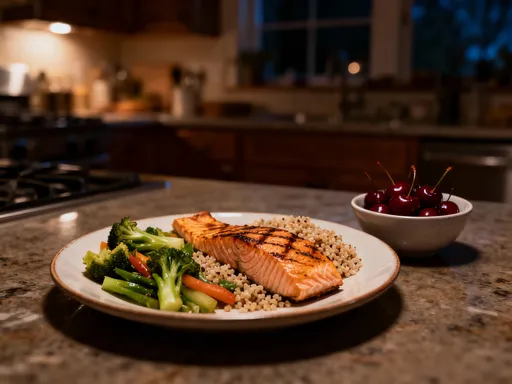
Nutrition stands out as one of the most powerful tools. Diets rich in whole plant foods—vegetables, fruits, legumes, nuts, and whole grains—are consistently linked to slower biological aging. These foods provide antioxidants that neutralize free radicals, fiber that supports gut health, and phytonutrients that reduce inflammation. The Mediterranean diet, in particular, has been extensively studied for its anti-aging effects. A 2023 review in The American Journal of Clinical Nutrition found that adherence to this eating pattern was associated with longer telomeres and lower levels of inflammatory markers. Crucially, it’s not about perfection—moderation and balance matter more than strict rules.
Physical activity is equally important. Regular movement, even at moderate intensity, improves circulation, enhances mitochondrial function (the energy factories in cells), and helps regulate blood sugar. Studies show that people who engage in daily walking, strength training, or activities like gardening have better muscle mass, bone density, and cognitive function as they age. The CDC recommends at least 150 minutes of moderate aerobic activity per week, along with muscle-strengthening exercises twice a week. But even small amounts of movement—like taking the stairs or walking after meals—can make a difference. Research from the University of New Mexico found that post-meal walks significantly reduce blood sugar spikes, which over time can lower the risk of insulin resistance and related aging effects.
Sleep quality is another cornerstone of longevity. During deep sleep, the brain’s glymphatic system clears out metabolic waste, including proteins linked to neurodegenerative diseases. Growth hormone, essential for tissue repair, is also released primarily during this phase. A study from the University of California, Berkeley, showed that older adults who maintained regular sleep schedules had better memory retention and cognitive processing speed. Creating a sleep-friendly environment—cool, dark, and quiet—and maintaining a consistent bedtime routine can improve sleep quality without medication.
Social connection is an often-overlooked factor. Strong relationships and community involvement are linked to lower stress, better mental health, and even longer telomeres. A longitudinal study from Brigham Young University found that social isolation carries a health risk comparable to smoking 15 cigarettes a day. Simple acts like regular phone calls with friends, joining a book club, or volunteering can provide meaningful engagement and emotional support.
Emerging but credible concepts are also gaining attention. Time-restricted eating—limiting food intake to a consistent 8–12 hour window each day—has shown promise in improving metabolic health and reducing inflammation. This approach aligns with the body’s circadian rhythm and may support cellular repair processes. Similarly, hormesis—the idea that mild stressors can strengthen the body—is supported by research on practices like cold exposure (e.g., cool showers) and heat therapy (e.g., sauna use). These stimulate adaptive responses that enhance resilience. However, these should be approached with caution and are not replacements for foundational habits like nutrition and sleep.
How I Changed My Daily Routine—And What Happened
A few years ago, I noticed I was feeling older than I wanted to. I wasn’t sick, but I was tired by mid-afternoon, my skin looked dull, and I caught every cold that went around. I wasn’t doing anything extreme wrong—but I wasn’t doing much right, either. I ate convenience foods, sat at my desk for hours, and often stayed up late scrolling on my phone. I decided to make small, science-backed changes, not to look younger, but to feel better. The results weren’t overnight, but over months, they became clear.
The first change was my sleep. I set a consistent bedtime and created a wind-down routine: no screens after 9 p.m., a cup of herbal tea, and ten minutes of light stretching. Within three weeks, I was falling asleep faster and waking up feeling more refreshed. My energy levels stabilized, and I no longer needed an afternoon nap. I also started walking 20 minutes after dinner. This simple habit helped with digestion and reduced evening cravings. Over time, my blood sugar readings—tracked during routine check-ups—became more stable.
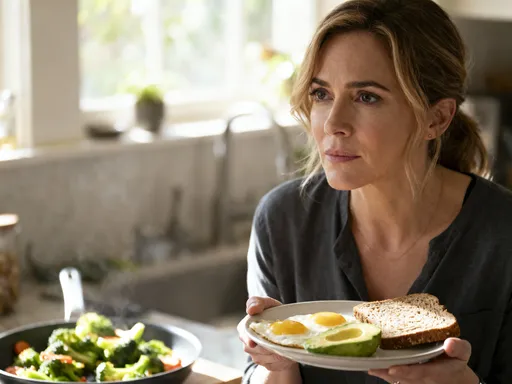
I began paying attention to what I ate. Instead of reaching for packaged snacks, I kept cut vegetables and nuts on hand. I increased my intake of leafy greens, berries, and legumes. I didn’t eliminate sugar entirely, but I reduced it significantly, especially in drinks. Within a few months, my skin looked brighter, and I noticed fewer breakouts. My digestion improved, and I felt lighter after meals. I also started doing short strength exercises at home three times a week—nothing intense, just bodyweight squats, wall push-ups, and resistance bands. This helped me maintain muscle tone and improved my balance.
The changes weren’t dramatic, but they were cumulative. I didn’t lose a lot of weight, but my clothes fit better. I caught fewer colds—only one in the past year, compared to three or four previously. My focus improved, and I felt more present in my daily life. I didn’t look like a different person in photos, but people began commenting that I seemed “glowing” or “full of energy.” The biggest shift was internal: I felt more capable, more resilient. I realized that aging wasn’t something happening to me—it was something I could influence.
Simple, Sustainable Habits Anyone Can Start Today
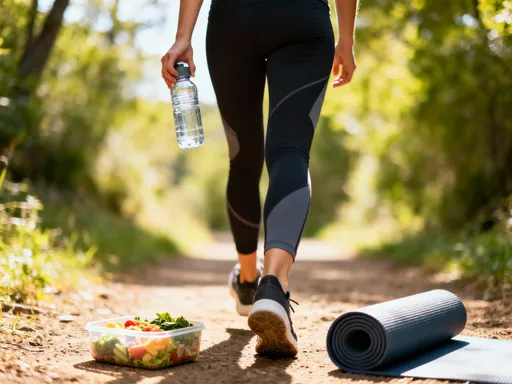
You don’t need a complete lifestyle overhaul to make a difference. Small, consistent actions can have a powerful impact on how you age. The key is sustainability—choosing habits that fit into your life without causing stress. Start with hydration: drink a glass of water first thing in the morning. After hours of sleep, your body is mildly dehydrated. Replenishing fluids supports circulation, digestion, and cellular function. Keep a water bottle nearby and aim to refill it several times a day.
Take short movement breaks throughout the day. Set a timer to stand up and stretch every hour, even if it’s just for two minutes. Walk around the house, do a few shoulder rolls, or step outside for fresh air. These mini-movements improve blood flow, reduce stiffness, and refresh your mind. If you work from home, consider standing while taking phone calls or doing light chores between tasks.
Eat more colorful plants. Aim to include a variety of vegetables and fruits in your meals—dark greens, red peppers, blueberries, sweet potatoes. Each color represents different phytonutrients that protect cells and reduce inflammation. You don’t need to go vegan or follow a strict diet. Simply adding one extra serving of vegetables per day can make a difference over time.
Practice mindful eating. Slow down during meals, chew thoroughly, and avoid distractions like TV or phones. This improves digestion and helps your body recognize fullness cues, preventing overeating. It also turns meals into moments of calm, reducing stress.
Create a bedtime routine. Go to bed and wake up at the same time every day, even on weekends. Dim the lights in the evening and avoid screens for at least an hour before bed. Read a book, listen to soft music, or practice gentle breathing exercises. A consistent routine signals to your body that it’s time to rest, improving sleep quality.
These habits aren’t about perfection. Some days you’ll forget to drink enough water or skip a walk. That’s normal. What matters is the overall pattern. Track subtle improvements: Are you sleeping more soundly? Do you feel more alert in the morning? Is your mood more stable? These signs indicate that your body is responding.
Why Awareness Matters More Than Perfection
Knowledge is one of the most powerful tools in healthy aging. When you understand why a habit matters—why walking after meals helps blood sugar, or why sleep supports brain detoxification—you’re more likely to stick with it. This is different from following trends because you feel pressured. Health literacy transforms habits from chores into meaningful choices. It shifts your mindset from “I should” to “I choose to,” because you see the value.
Many women fall into the trap of fad diets or quick fixes, hoping for fast results. But these often lead to frustration and burnout. A balanced approach, grounded in science, is more effective in the long run. For example, cutting out all carbs may lead to short-term weight loss but can leave you tired and irritable. In contrast, choosing whole grains, legumes, and vegetables provides sustained energy and supports gut health. The difference lies in understanding the “why” behind the choice.
Aging is not an inevitable decline. It’s a modifiable process. While genetics play a role, lifestyle determines how those genes are expressed—a concept known as epigenetics. This means your daily actions can influence which genes are turned on or off. Small efforts—like choosing water over soda, walking instead of driving short distances, or calling a friend instead of isolating—compound over time. They add up to better energy, stronger immunity, and greater resilience.
Perfection isn’t the goal. Progress is. Some days will be better than others. What matters is showing up consistently, with kindness toward yourself. When you view aging as something you can influence, you regain a sense of control. You’re not waiting for time to pass—you’re actively shaping how you experience it.
When to Seek Professional Guidance—And Why It’s Smart
While self-care is powerful, it’s not a substitute for professional medical advice. If you have chronic conditions like diabetes, heart disease, or thyroid issues, work with your healthcare provider before making significant changes. They can help you tailor habits to your needs and monitor your progress safely. Routine check-ups are essential—they provide objective data on your health, such as blood pressure, cholesterol levels, and blood sugar control.
Biomarkers offer valuable insights into your biological age. Some clinics now offer telomere testing or inflammatory marker panels, though these should be interpreted with a doctor’s guidance. Even basic tests like a complete blood count or vitamin D level can reveal imbalances that affect energy and immunity. Don’t assume symptoms like fatigue or joint pain are just “part of aging.” They may signal underlying issues that can be addressed.
If you’re considering supplements, talk to your doctor first. While some, like vitamin D or omega-3 fatty acids, may be beneficial for certain individuals, others can interact with medications or provide no real benefit. The same goes for new diets or exercise programs—professional input ensures they’re safe and appropriate for your body.
Working with experts doesn’t mean you’re failing at self-improvement. It means you’re being smart and responsible. Science empowers us with knowledge, but healthcare providers help us apply it safely. Together, they form a strong foundation for aging well.
Aging is inevitable, but how we age is not entirely out of our hands. By applying simple, science-supported habits and staying informed, we can influence our long-term well-being. This isn’t about chasing youth—it’s about building a healthier, more vibrant life at every age. The best time to start? Now.