Why I Finally Listened to My Body — A Real Woman’s Take on Staying Healthy Without the Hype
Women’s health isn’t just about doctors’ visits or quick fixes—it’s about daily awareness. I used to ignore fatigue, stress, and small changes, thinking they were normal. But over time, I realized these were signals. This is my story of learning to tune in, make simple shifts, and take real care—no magic pills, just mindful choices that actually work. It wasn’t a dramatic diagnosis or a sudden crisis that changed me. It was the accumulation of quiet warnings: restless nights, persistent tiredness, mood dips that came too often. I had spent years prioritizing everyone else—my family, my work, my responsibilities—while treating my own well-being as something to manage only when it broke. What I’ve learned is that health isn’t something you fix when it fails. It’s something you nurture every day, in small but meaningful ways. This is not about perfection. It’s about presence.
The Wake-Up Call: When "Normal" Didn’t Feel Right Anymore
For years, I told myself that exhaustion was just part of being a woman in her thirties and beyond. I juggled work, household duties, and family needs, believing that feeling drained was simply the price of doing it all. I’d wake up already tired, drag myself through the day with coffee, and collapse into bed only to lie awake, mind racing. My mood would shift unpredictably—irritable one moment, tearful the next. I chalked it up to stress, hormones, or just being “emotional.” But the patterns didn’t go away. They got louder. I started having headaches that lingered for days. My digestion became unreliable. I’d catch every cold that went around. And yet, I kept going, convinced that if I just pushed harder, I’d eventually get back on track.
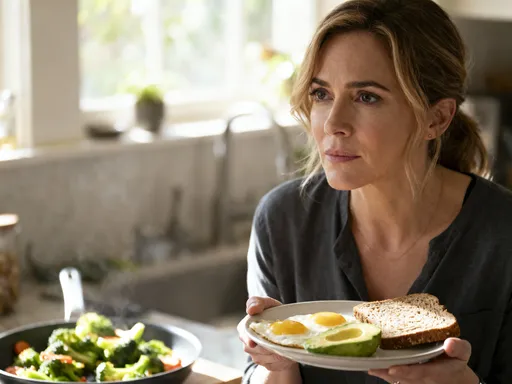
Then came the moment that broke the cycle: I fainted in my kitchen. Not dramatically, not with a crash, but quietly—just a sudden loss of balance, a moment of blackness, and then I was on the floor, disoriented and scared. There was no injury, but the emotional impact was profound. This wasn’t normal. This wasn’t just stress. Something in my body had reached its limit, and I hadn’t been listening. That incident forced me to confront the truth: I had been dismissing real symptoms as inconveniences. Low energy, poor sleep, digestive discomfort, and emotional instability are not just part of life—they are messages. They signal imbalances, often long before a formal diagnosis can be made. And women, in particular, are conditioned to ignore them.
Society often expects women to be endlessly resilient, to put others first, and to handle everything without complaint. We’re praised for our ability to multitask, to endure, to keep going. But this cultural narrative comes at a cost. The reality is that ignoring physical and emotional cues can lead to chronic conditions, burnout, and long-term health decline. Studies show that women are more likely than men to delay seeking medical care, often because they prioritize family or work responsibilities. They may downplay symptoms or assume they’ll “get better on their own.” But the body doesn’t lie. When fatigue becomes persistent, when sleep is consistently disrupted, when mood swings interfere with daily life—these are not flaws in character. They are signs that something needs attention. My fainting episode wasn’t an isolated event. It was the culmination of years of neglect. And it wasn’t until I stopped and truly listened that I began to understand what my body had been trying to tell me.
What Is Health Consciousness, Really?
Health consciousness is more than tracking calories or logging workouts. It’s the quiet, consistent practice of paying attention to how you feel—physically, emotionally, and mentally—and making choices that support your well-being. It’s about shifting from a reactive mindset—waiting until something goes wrong—to a proactive one, where small daily observations become the foundation of long-term health. This kind of awareness doesn’t require special tools or expert knowledge. It starts with curiosity. It begins the moment you ask yourself, “How do I really feel today?” and take the time to answer honestly.
Many women think of health in extremes: either they’re “fine” or they’re “sick.” But in between lies a vast spectrum of subtle signals—the kind that don’t show up on a lab test but affect daily life. A slight heaviness in the limbs, a lingering sense of anxiety, a change in appetite—these are data points. When noticed early, they can guide meaningful adjustments before more serious issues arise. Health consciousness means treating your body not as a machine to be pushed, but as a living system that communicates. It’s about recognizing that wellness isn’t the absence of illness, but the presence of balance, energy, and resilience.
What changed for me was learning to see my body as a partner, not a problem. Instead of fighting fatigue with caffeine or suppressing stress with busyness, I began to ask: What is this fatigue trying to tell me? Is it lack of sleep? Poor nutrition? Emotional overload? This shift in perspective transformed my relationship with health. I stopped waiting for a crisis to act. Instead, I started paying attention to patterns. I noticed that after days of skipped meals and poor sleep, my mood dipped. I saw that when I moved my body, even briefly, my mental clarity improved. These weren’t groundbreaking discoveries, but they were personal and powerful. Over time, this awareness built a foundation of self-knowledge that no doctor’s visit could fully provide. Health consciousness, I realized, isn’t about chasing perfection. It’s about cultivating a daily practice of listening, responding, and adjusting—because the body always knows, even when the mind ignores it.
Why Women Overlook Their Own Health (And How to Stop)
One of the most common reasons women neglect their health is the deeply ingrained belief that they should be able to handle everything without help. The idea of “I’ll deal with it later” becomes a mantra, repeated until the “later” never comes. Many women are socialized to be caregivers—to put the needs of children, partners, parents, and coworkers ahead of their own. This selflessness is often praised, but it can come at a high personal cost. When self-care is treated as a luxury rather than a necessity, it’s easy to deprioritize. And because many health issues develop slowly, the decline can feel invisible—until it’s not.
The myth of multitasking plays a significant role in this pattern. Women are often celebrated for their ability to manage multiple roles at once—professional, parent, homemaker, planner, emotional anchor. But the truth is, the body and mind pay a price for constant switching and high demands. Chronic stress, poor sleep, and irregular eating habits are common side effects of this lifestyle. And yet, many women accept these as normal, unaware that they are slowly eroding their health. Research supports this trend: studies have found that women are more likely than men to delay medical appointments, skip preventive screenings, and ignore early symptoms. A report from the American Heart Association noted that women often downplay chest pain or fatigue, attributing them to stress or aging, even when they could signal serious conditions like heart disease.
Another factor is the lack of time—or the perception of it. Between work and family responsibilities, many women feel they simply don’t have the hours to focus on themselves. But health consciousness doesn’t require hours of gym time or elaborate meal prep. It can be as simple as noticing how you feel after eating, pausing to breathe when stressed, or going to bed 20 minutes earlier. The key is consistency, not intensity. Learning to stop ignoring your own needs starts with reframing self-care as an essential part of responsibility, not a selfish indulgence. When you care for yourself, you’re better equipped to care for others. It’s not about adding more to your plate; it’s about protecting the foundation that allows everything else to function. Recognizing this shift in mindset—seeing self-awareness as strength, not weakness—was one of the most empowering steps I took on my health journey.
Simple Checks That Made a Difference in My Daily Life
After my wake-up call, I knew I needed a new approach—one that didn’t rely on apps, expensive tests, or rigid rules. I wanted something sustainable, personal, and grounded in real observation. So I started with a simple practice: checking in with myself three times a day—morning, afternoon, and evening. I didn’t use any technology. Just a notebook and a few minutes. Each time, I asked three questions: How is my energy? How is my mood? How is my body feeling? I rated each on a scale of 1 to 5 and added brief notes. At first, the answers felt vague. But over weeks, patterns emerged.
I noticed that on days when I skipped breakfast, my energy crashed by mid-morning. I saw that poor sleep didn’t just make me tired—it made me more reactive, more likely to snap at my family. I realized that after long periods of sitting, my lower back ached and my focus faded. These weren’t dramatic revelations, but they were actionable. Instead of waiting for a crisis, I could adjust in real time. If my energy was low in the afternoon, I didn’t reach for sugar. I stepped outside for five minutes of fresh air. If my mood was low, I didn’t push through. I paused, breathed, or called a friend. These small interventions prevented bigger crashes.
One of the most helpful tools was creating a personal health baseline. This meant understanding what “normal” truly felt like for me—not what I thought it should be, but what it actually was. For two weeks, I recorded my sleep duration, food intake, movement, and emotional state without trying to change anything. This gave me a reference point. Now, when I notice a deviation—say, three nights of poor sleep or a sudden drop in energy—I know it’s time to investigate. Is it stress? Dehydration? A change in routine? Journaling helped me connect the dots. It also gave me confidence when speaking to healthcare providers. Instead of saying, “I don’t feel right,” I could say, “For the past ten days, my sleep has dropped from seven to five hours, my energy is consistently at 2/5, and I’ve had daily headaches.” That level of detail makes a difference. These simple checks didn’t take much time, but they gave me back a sense of control. They reminded me that I wasn’t powerless—I was simply out of tune. And once I started listening, the path forward became clearer.
Building a Routine That Works—Not One That Exhausts
One of the biggest mistakes I made early on was trying to overhaul my life overnight. I bought into the idea that real change required strict diets, intense workouts, and rigid schedules. I lasted three days. Then I burned out. What I’ve learned is that sustainable health isn’t about perfection. It’s about consistency, flexibility, and kindness. A routine that works is one that fits your life—not one that dominates it. It’s not about doing everything right every day. It’s about doing something right most days.
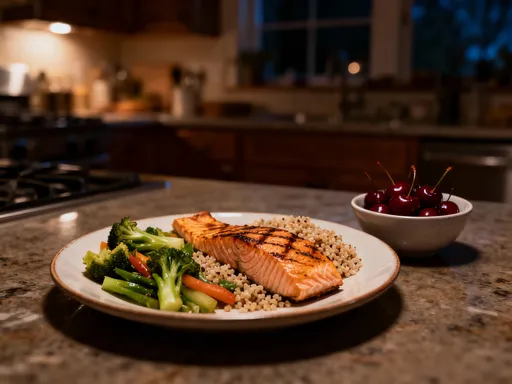
My current routine is simple. I start with movement—not a 60-minute workout, but 20 minutes of walking most days. Sometimes it’s around the block. Sometimes it’s a walk during my lunch break. The key is that it’s doable, not draining. I’ve also learned the importance of hydration. I keep a water bottle nearby and aim to refill it three times a day. It’s a small habit, but it’s made a noticeable difference in my energy and digestion. Nutrition-wise, I focus on balance, not restriction. I eat regular meals with a mix of protein, fiber, and healthy fats. I don’t count calories, but I pay attention to how food makes me feel. When I eat whole, unprocessed foods, I have more steady energy. When I eat sugary or fried foods, I feel sluggish. That feedback loop guides my choices better than any diet plan.
Sleep has become a non-negotiable. I set a bedtime alarm to remind me to wind down. I avoid screens an hour before bed and read or listen to calming music instead. I don’t always fall asleep immediately, but I’ve trained my body to associate this routine with rest. Rest, I’ve learned, isn’t just sleep. It’s also moments of pause during the day—closing my eyes for two minutes, stepping outside for fresh air, or saying no to an extra commitment. These small acts of self-preservation add up. The most important part of my routine is flexibility. If I miss a walk, I don’t punish myself. If I eat dessert, I don’t guilt-trip. I just return to my baseline the next day. This approach has made self-care feel less like a chore and more like a natural part of living. It’s not about being perfect. It’s about being present, consistent, and compassionate with myself.
When to Trust Yourself—and When to See a Professional
One of the most empowering skills I’ve developed is learning to trust my intuition. There’s a quiet voice inside that knows when something isn’t right. At first, I dismissed it as worry or overthinking. But over time, I’ve learned to distinguish between fear and genuine bodily signals. If a symptom persists—like fatigue that doesn’t improve with rest, or pain that doesn’t go away—I now take it seriously. I’ve also learned that self-awareness and professional care aren’t opposites. They’re partners. Listening to your body doesn’t mean avoiding doctors. It means knowing when to seek help.
There are certain red flags that should never be ignored. Unexplained weight loss, persistent headaches, chest discomfort, changes in bowel or bladder habits, and prolonged mood changes are examples. These aren’t things to “wait out.” They warrant medical evaluation. I used to hesitate, worried about being a “difficult” patient or wasting a doctor’s time. But I’ve learned that advocating for myself is not selfish—it’s necessary. Now, when I go to an appointment, I bring my journal, my observations, and specific questions. I don’t just accept vague answers. I ask for clarity. I request tests if needed. I’ve found that doctors respond better when I come prepared with information. It shows I’m engaged, not anxious.
Trusting myself also means recognizing when I’m in denial. There were times I downplayed symptoms because I didn’t want to face a diagnosis. I’ve learned to balance intuition with honesty. If something feels off for more than two weeks, I make an appointment. Early intervention has prevented bigger issues. For example, tracking my blood pressure at home helped me catch a pattern of elevation. My doctor confirmed it was prehypertension and recommended lifestyle changes. Because I acted early, I avoided medication. That experience taught me that self-monitoring and professional care go hand in hand. The body speaks. We must listen. And when the message is unclear, we must seek expert translation. Health is a team effort—between you, your body, and your care providers.
Health as a Daily Practice, Not a Destination
Wellness isn’t a finish line. It’s not something you achieve and then move on from. It’s an ongoing relationship with your body—one that requires attention, care, and adjustment. I used to think of health as a goal: lose weight, lower cholesterol, sleep better. But now I see it as a practice, like tending a garden. Some days the soil is rich, the sun is warm, and everything grows easily. Other days, storms come, weeds appear, and you have to pull back, nurture, and wait. The key is showing up, season after season.
What I’ve gained from this daily practice isn’t just better physical health. It’s mental clarity, emotional stability, and a deeper sense of peace. I’m less reactive, more resilient, and more present with my family. I don’t burn out as easily. I recover faster from setbacks. These benefits didn’t come from a single change but from the accumulation of small, informed choices. Drinking water instead of soda. Walking instead of scrolling. Sleeping instead of overworking. Each choice is a vote for the kind of life I want to live.
Most importantly, I’ve let go of guilt. I no longer feel bad for resting, for saying no, for putting myself first sometimes. I’ve learned that health isn’t about punishment or perfection. It’s about respect. It’s about honoring the body that carries me through life. And it’s about making peace with the fact that some days will be harder than others. The goal isn’t to be flawless. It’s to be aware. To notice. To respond with kindness. This mindset has transformed not just my health, but my entire outlook. I’m not chasing an ideal. I’m living a more balanced, sustainable life—one day, one choice, one breath at a time.
True health consciousness isn’t about drastic changes or flawless habits. It’s about paying attention—really listening—to what your body tells you every day. My journey taught me that small, informed choices add up. By staying aware and acting early, women can build resilience, prevent bigger issues, and live with more energy and peace. This isn’t a one-time fix; it’s a lifelong promise to ourselves.