How I Fixed My Energy and Mood with Simple Diet Tweaks — No Hype, Just Real Results
Women’s health isn’t just about doctors’ visits—it’s about daily choices. For years, I struggled with low energy, mood swings, and bloating, thinking it was just “normal.” But when I started paying attention to what I ate, everything changed. This isn’t about strict diets or magic pills. It’s about small, science-backed shifts that actually work. Here’s how smart eating can transform how you feel—every single day.
The Hidden Struggle: Why Women’s Daily Fatigue Isn’t Normal
Many women wake up each morning already feeling behind—tired before the day has even begun, irritable by mid-morning, and drained by the time they get home. These experiences are so common that they’ve become normalized. Yet chronic fatigue, mood instability, and digestive discomfort are not simply part of being a woman. They are signals from the body, often pointing to deeper imbalances rooted in diet and lifestyle. While hormonal fluctuations during menstruation, pregnancy, or perimenopause can influence energy and mood, persistent symptoms suggest something more is at play. Nutritional deficiencies, blood sugar instability, and poor gut health are frequently overlooked contributors.
For decades, women have been told to push through fatigue or chalk it up to stress. But research increasingly shows that what we eat directly affects our energy production, neurotransmitter function, and hormonal regulation. When essential nutrients are missing or when meals are inconsistent, the body struggles to maintain balance. This isn’t a minor inconvenience—it can affect work performance, family life, and overall well-being. The problem with quick fixes like caffeine, sugar, or energy drinks is that they offer only temporary relief while often worsening the underlying issue. A spike in energy followed by a crash reinforces a cycle of dependency and dysregulation.
What many don’t realize is that the female body has unique nutritional demands. Iron needs are higher due to menstruation, magnesium supports nervous system resilience, and omega-3 fatty acids help modulate inflammation—all of which impact how a woman feels daily. Ignoring these needs can lead to a slow erosion of vitality. The good news is that restoring balance doesn’t require extreme measures. It begins with awareness: recognizing that fatigue and mood swings are not inevitable, but rather invitations to examine what’s on your plate. By shifting focus from restriction to nourishment, women can begin to rebuild their energy from the ground up.
What Really Fuels a Woman’s Body? The Core Nutrients That Make a Difference
Calories provide energy, but nutrients determine how well that energy is used. For women, certain nutrients play outsized roles in maintaining physical and emotional health. Iron, for example, is essential for oxygen transport in the blood. When levels are low—a condition more common in women of reproductive age—fatigue, weakness, and difficulty concentrating can result. Iron deficiency anemia affects millions of women worldwide, yet many remain undiagnosed because symptoms are often mistaken for stress or aging. Dietary sources like lean red meat, lentils, spinach, and fortified grains can help maintain healthy levels, especially when paired with vitamin C to enhance absorption.
Magnesium is another critical nutrient that often falls short in the modern diet. Involved in over 300 enzymatic reactions, it supports muscle function, nerve signaling, and stress regulation. Low magnesium has been linked to increased PMS symptoms, sleep disturbances, and even migraines. Whole grains, nuts, seeds, and dark leafy greens are excellent sources, yet many women consume far less than the recommended daily amount. Similarly, B vitamins—particularly B6, B9 (folate), and B12—are vital for energy metabolism and brain health. Deficiencies can lead to brain fog, low mood, and fatigue. These vitamins are found in eggs, dairy, legumes, and animal proteins, making them accessible through balanced eating.
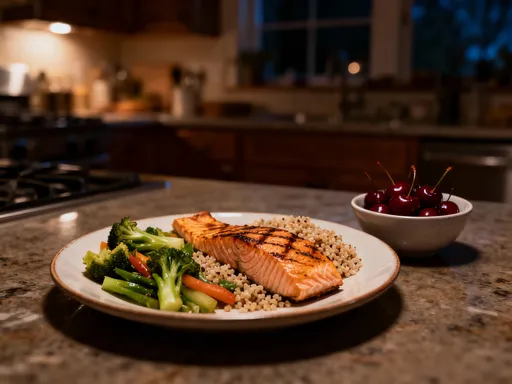
Omega-3 fatty acids, primarily found in fatty fish like salmon and mackerel, as well as flaxseeds and walnuts, play a key role in reducing inflammation and supporting brain function. Studies suggest that adequate omega-3 intake may help stabilize mood and reduce the severity of menstrual-related discomfort. Fiber, often underemphasized, is equally important. It regulates digestion, supports gut health, and helps maintain steady blood sugar levels. Women need about 25 grams of fiber per day, yet most consume only half that amount. Fruits, vegetables, whole grains, and legumes are rich in both soluble and insoluble fiber, making them essential components of a woman’s diet.
The key is not to focus on isolated supplements unless medically advised, but to build a foundation of whole, nutrient-dense foods. Food is more than fuel—it’s information. Each bite sends signals to your cells about what kind of environment they’re operating in. When those signals come from processed, refined, or nutrient-poor sources, the body must work harder to maintain balance. But when meals are rich in real, unprocessed ingredients, the body responds with greater resilience, clarity, and sustained energy.
Blood Sugar Balance: The Secret Behind Stable Moods and Lasting Energy
Imagine this: you eat a quick breakfast of toast and jam, feel alert for an hour, then suddenly hit a wall—your focus fades, your mood sours, and you reach for a candy bar. This pattern is not a lack of willpower; it’s a textbook example of blood sugar dysregulation. When carbohydrates are consumed without protein, fat, or fiber, they are rapidly digested, causing a spike in blood glucose. In response, the pancreas releases insulin to bring levels back down. But too much insulin can cause blood sugar to drop too low, leading to fatigue, shakiness, irritability, and cravings—a cycle that repeats throughout the day.
Women are particularly sensitive to these fluctuations due to hormonal interactions. Estrogen and progesterone influence insulin sensitivity, meaning that during certain phases of the menstrual cycle, blood sugar control can become more challenging. This is why some women experience intensified cravings or mood swings in the days before their period. When blood sugar swings mimic hormonal symptoms, it becomes harder to distinguish between what’s physiological and what’s dietary. The result is often a reliance on quick fixes—sugary snacks, coffee, or energy drinks—that only deepen the cycle.
The solution lies in stabilizing glucose levels through smarter food combinations. Instead of eating carbohydrates alone, pairing them with protein and healthy fats slows digestion and prevents sharp spikes. For example, choosing oatmeal made with milk or yogurt and topped with nuts provides sustained energy far longer than plain cereal. Similarly, eating an apple with a handful of almonds is more satisfying and blood sugar-friendly than the fruit alone. These small adjustments don’t require a complete diet overhaul—they simply involve thinking about food in terms of balance rather than restriction.
Over time, consistent blood sugar control leads to noticeable improvements. Energy becomes steadier, mood swings lessen, and mental clarity improves. Many women report fewer afternoon crashes, reduced anxiety, and better sleep when they adopt this approach. It’s not about eliminating carbohydrates—whole grains, fruits, and starchy vegetables are important—but about how they are consumed. By making mindful pairings, women can transform their daily experience without feeling deprived or overwhelmed.
Meal Timing and Rhythm: Why When You Eat Matters as Much as What
It’s not just what you eat, but when you eat that influences how you feel. Skipping breakfast, eating erratically, or going long hours without food may seem like harmless habits, but for many women, they trigger a cascade of physiological responses that affect energy, mood, and digestion. When meals are delayed or missed, blood sugar drops, prompting the adrenal glands to release cortisol—the body’s primary stress hormone. While cortisol is necessary for alertness, chronically elevated levels can disrupt sleep, increase abdominal fat storage, and impair immune function.
Women’s hormonal systems are finely tuned and responsive to external cues, including meal timing. Irregular eating patterns can interfere with the natural rhythm of insulin, cortisol, and even reproductive hormones. For instance, consistently skipping meals may lead to overeating later in the day, often on less nutritious foods, perpetuating a cycle of imbalance. Additionally, eating too late at night can impair digestion and reduce sleep quality, further affecting next-day energy levels.
A more supportive approach involves establishing a gentle eating rhythm. Starting the day with a balanced breakfast—even something simple like scrambled eggs with toast or Greek yogurt with berries—signals to the body that fuel is available, reducing the need for stress hormone activation. Similarly, eating meals at consistent times helps regulate metabolic processes and supports stable energy. This doesn’t mean rigid scheduling; rather, it’s about creating a framework that honors the body’s natural expectations.
Mindful snacking can also play a role. A small, nutrient-dense snack between meals—such as cottage cheese with fruit or hummus with vegetables—can prevent blood sugar dips and reduce the urge to overeat at the next meal. The goal is not weight control, but hormonal and metabolic harmony. When food arrives regularly and predictably, the body operates more efficiently, leading to improved digestion, better sleep, and greater emotional resilience. Structure doesn’t have to mean restriction—it can be an act of self-care.
Gut Health and Hormones: The Surprising Link Between Digestion and How You Feel
The gut is often called the “second brain” for good reason. It houses a vast network of neurons and produces a significant portion of the body’s serotonin—the neurotransmitter most associated with mood regulation. But beyond mood, the gut plays a crucial role in hormone metabolism, particularly estrogen. The gut microbiome, composed of trillions of bacteria, helps break down and recycle hormones, ensuring they are properly eliminated. When gut health is compromised—due to poor diet, stress, or antibiotic use—this process can be disrupted, leading to hormonal imbalances that manifest as PMS, irregular cycles, or mood disturbances.
Digestive symptoms like bloating, gas, constipation, or diarrhea are not just uncomfortable—they are indicators of underlying gut dysfunction. While conditions like irritable bowel syndrome (IBS) are common, many women experience milder forms of digestive distress that go unaddressed. These issues are often diet-related. Diets low in fiber, high in processed foods, or lacking in fermented foods can starve beneficial gut bacteria, allowing less desirable microbes to thrive. This imbalance, known as dysbiosis, contributes to inflammation, poor nutrient absorption, and even skin issues.
Supporting gut health begins with food choices. Fiber is the primary fuel for beneficial gut bacteria. Soluble fiber, found in oats, apples, and beans, forms a gel-like substance that slows digestion and feeds good bacteria. Insoluble fiber, present in whole grains and vegetables, adds bulk to stool and promotes regularity. Fermented foods like yogurt, kefir, sauerkraut, and kimchi introduce live probiotics that help restore microbial balance. These foods don’t need to be consumed in large quantities—small, consistent amounts can make a difference over time.
Hydration is another key factor. Water supports digestion by helping fiber move through the intestines and preventing constipation. Many women do not drink enough fluids, especially if they rely on coffee or sugary drinks. Replacing one caffeinated beverage with water each day is a simple yet effective step. Over time, improving gut health can lead to reduced bloating, more regular bowel movements, and even improved mood. The gut-brain-hormone connection is powerful, and nurturing it through diet is one of the most impactful things a woman can do for her overall well-being.
Practical Eating Frameworks: Simple Patterns That Fit Real Life
Knowing what to eat is one thing; making it happen in the midst of a busy schedule is another. The challenge for many women isn’t lack of knowledge, but lack of practicality. Tracking every nutrient or preparing elaborate meals isn’t sustainable for those juggling work, family, and personal responsibilities. That’s why simple, flexible eating frameworks are more effective than rigid diets. One widely supported approach is the plate method: fill half your plate with vegetables, one-quarter with lean protein, and one-quarter with whole grains or starchy vegetables. This visual guide makes balanced eating intuitive and requires no measuring or counting.
Another helpful strategy is “snack stacking”—combining at least two food groups to create a satisfying, blood sugar-friendly bite. For example, pairing apple slices with peanut butter, or crackers with cheese, provides both energy and satiety. This approach prevents the blood sugar rollercoaster that comes from eating carbohydrates alone. It also reduces the likelihood of mindless snacking later in the day. For busy mornings, a smoothie made with spinach, banana, protein powder, and almond butter can deliver a wide range of nutrients in minutes.
Work lunches don’t have to be boring or unhealthy. Preparing a grain bowl with quinoa, roasted vegetables, chickpeas, and a tahini dressing offers fiber, protein, and healthy fats in one satisfying meal. Family dinners can include familiar favorites with small upgrades—adding lentils to spaghetti sauce, serving brown rice instead of white, or including a side salad with every meal. These changes don’t require culinary expertise; they simply involve making mindful choices that add up over time.
The goal is not perfection, but progress. Eating well shouldn’t feel like a burden. When meals are balanced, enjoyable, and realistic, they become sustainable. Women don’t need to choose between health and convenience—they can have both by adopting patterns that fit their lives. Flexibility, variety, and consistency matter more than any single food choice. Over time, these small decisions build a foundation of energy, resilience, and well-being.
Putting It All Together: Building a Diet That Works for *You*
There is no one-size-fits-all approach to eating well. Every woman’s body is unique, shaped by genetics, lifestyle, health history, and personal preferences. What works for one person may not work for another. That’s why the most effective dietary changes come from self-awareness, not rigid rules. The journey to better energy and mood begins with observation: noticing how different foods affect your body. Do you feel energized after a protein-rich breakfast? Do certain foods leave you bloated or sluggish? These responses are valuable data.
One simple way to build awareness is through journaling. Writing down what you eat and how you feel afterward—even just for a week—can reveal patterns. You might notice that skipping meals leads to headaches, or that eating more vegetables improves digestion. This isn’t about tracking calories or achieving perfection; it’s about listening to your body’s signals. Over time, this practice fosters a deeper connection between food and well-being.
It’s also important to recognize when professional guidance is needed. Persistent fatigue, severe mood swings, or digestive issues may indicate underlying conditions such as thyroid dysfunction, polycystic ovary syndrome (PCOS), or food sensitivities. In these cases, working with a healthcare provider or registered dietitian can provide clarity and support. Nutrition is powerful, but it’s not a substitute for medical care. The best outcomes come from combining self-care with professional insight.
Change doesn’t happen overnight. Lasting improvements come from small, consistent steps—adding more vegetables, drinking more water, eating regular meals—not dramatic overhauls. The goal is not to follow a trend, but to build a way of eating that supports your body for years to come. When food is chosen with intention, the benefits extend far beyond physical health. Energy increases, mood stabilizes, and confidence grows. This isn’t about restriction or punishment—it’s about honoring your body with choices that nourish, sustain, and empower.
Improving women’s health through diet isn’t about extreme changes—it’s about making smarter, sustainable choices that honor your body’s needs. When you eat with intention, the benefits go far beyond physical wellness. You gain energy, clarity, and confidence. This isn’t a trend. It’s a lifelong commitment to feeling your best—one meal at a time.