Why I Put Watches in My Portfolio Instead of Just Stocks
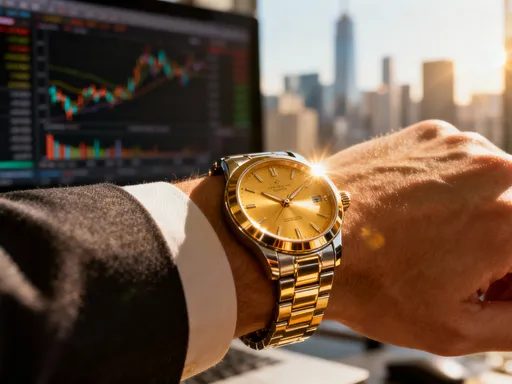
What if one of your safest long-term investments wasn’t in a bank or brokerage account—but on your wrist? I never thought luxury watches could be more than status symbols until I saw how some held value better than gold. This isn’t about collecting for fun—it’s about strategic asset allocation. In a world of volatile markets, tangible assets like high-end timepieces are gaining traction. Let me walk you through why I started treating watches not as expenses, but as calculated investments. These are not impulse buys or fashion statements; they are carefully selected, authenticated, and preserved assets that have demonstrated resilience, appreciation, and global demand. For many investors, especially those seeking diversification beyond traditional markets, watches offer a unique combination of durability, scarcity, and emotional resonance that few other asset classes can match.
The Shift in Modern Asset Allocation
For decades, the foundation of personal wealth has rested on a predictable trio: stocks, bonds, and real estate. These instruments have long been considered the pillars of a balanced portfolio, offering liquidity, income, and growth potential. Yet in recent years, economic turbulence—marked by inflation spikes, interest rate volatility, and geopolitical uncertainty—has prompted a reevaluation of what truly constitutes a reliable store of value. Investors are increasingly aware that paper assets, while convenient, can lose value rapidly during crises. This awareness has fueled a quiet but powerful shift toward alternative investments, particularly tangible assets that retain worth regardless of market sentiment.
Luxury watches have emerged as a compelling option within this evolving landscape. Unlike digital holdings or fluctuating stock prices, a high-end timepiece is a physical object with intrinsic craftsmanship, limited availability, and enduring appeal. The appeal lies not only in beauty but in resilience. Certain models from heritage brands like Rolex, Patek Philippe, and Audemars Piguet have consistently appreciated over time, often outpacing inflation and even outperforming traditional benchmarks in specific periods. This performance has not gone unnoticed by financial advisors and private wealth managers, who now include watches in broader discussions about portfolio diversification.
The rationale is straightforward: diversification reduces risk. When one asset class declines, others may hold steady or rise. Tangible assets such as fine art, rare wines, and vintage automobiles have already gained acceptance among affluent investors. Watches, however, offer distinct advantages. They are portable, require minimal storage, and do not degrade with proper care. Unlike real estate, there are no property taxes or maintenance fees. Unlike stocks, they are not subject to quarterly earnings reports or corporate governance risks. Instead, their value is tied to factors such as brand legacy, historical significance, mechanical complexity, and collector demand—elements that tend to evolve slowly and predictably.
Moreover, the digital age has enhanced transparency and accessibility in the watch market. Verified resale platforms, auction houses with decades of price data, and blockchain-based authentication systems now provide tools that make ownership and valuation more reliable than ever before. This infrastructure supports investor confidence and encourages long-term holding strategies. As a result, watches are no longer seen merely as luxury goods but as legitimate components of a thoughtfully constructed investment strategy. The shift reflects a broader trend: the blending of passion and prudence in wealth management, where emotional connection and financial logic coexist.
Why Luxury Watches? The Investment Case
At first glance, the idea of investing in a wristwatch may seem unconventional, even indulgent. But for those who examine the data, the argument becomes clear. Certain luxury watches are not depreciating consumer goods; they are appreciating assets. Take, for example, the Rolex Daytona 'Paul Newman'—a model produced in limited numbers during the 1960s and 1970s. In 2017, one such watch sold at auction for $17.8 million, setting a world record. While that is an extreme case, it illustrates a broader truth: scarcity, craftsmanship, and heritage drive long-term value.
What makes a watch a viable investment? First is **scarcity**. Many prestigious brands intentionally limit production to maintain exclusivity. For instance, Patek Philippe produces fewer than 60,000 watches annually, and certain models are only available to long-standing clients. This controlled supply ensures that demand often exceeds availability, creating upward pressure on prices. Second is **durability**. A well-maintained mechanical watch can function accurately for decades, even centuries. Unlike electronic devices that become obsolete, fine timepieces improve with age, especially when regularly serviced by authorized technicians.
Third is **global demand**. Luxury watches enjoy universal recognition across cultures and continents. Whether in New York, Tokyo, or Dubai, a Rolex Submariner or Omega Speedmaster carries prestige and desirability. This widespread appeal creates a deep and liquid secondary market, where buyers and sellers transact regularly. Platforms like Christie’s, Sotheby’s, and Phillips have dedicated watch auction divisions, while specialized dealers offer authenticated pre-owned models with warranties. These markets provide price transparency and verification, reducing the risk of fraud.
Fourth is **authenticity and traceability**. Counterfeiting remains a concern, but the industry has responded with robust safeguards. Reputable sellers provide original certificates, service records, and serial number verification. Some brands now use digital ledgers to track ownership history, making provenance easier to confirm. For investors, this means greater confidence in the legitimacy of their purchase. Additionally, the emotional aspect of ownership should not be dismissed. A watch can be worn, admired, and passed down—unlike a stock certificate or bond. This dual nature—as both functional object and heirloom—enhances its long-term appeal.
When combined, these factors create a compelling investment profile. While not every luxury watch will appreciate, a select group—particularly those from Swiss manufacturers with strong reputations—has shown consistent growth. Historical data from the Watchfinder & Co. Price Index indicates that certain Rolex models gained over 150% in value between 2010 and 2020. That kind of performance rivals many traditional asset classes, especially when adjusted for inflation and taxes. For the discerning investor, the message is clear: watches, when chosen wisely, are more than accessories—they are stores of value.
How Watches Compare to Gold, Real Estate, and Stocks
To understand the role of watches in a portfolio, it’s essential to compare them to other major asset classes. Each has strengths and weaknesses, and the goal is not to replace core holdings but to complement them strategically. Let’s begin with **gold**, often regarded as the ultimate safe-haven asset. Gold holds value during inflation and currency devaluation, but its price is highly sensitive to macroeconomic shifts. Over the past 20 years, gold has delivered modest returns—around 7% annually on average—with periods of stagnation. Watches, in contrast, have shown higher growth potential in specific segments. A stainless steel Rolex GMT-Master II, for example, increased in resale value by over 200% between 2015 and 2022, far outpacing gold during the same period.
However, gold has one clear advantage: standardization. An ounce of gold is identical anywhere in the world, making valuation simple. Watches, by contrast, vary widely in condition, rarity, and provenance. Two identical models can differ significantly in price based on service history or original packaging. This lack of uniformity means investors must be more diligent in research and authentication. Still, the upside potential often justifies the extra effort, especially for rare or discontinued models.
Next, consider **real estate**. Property offers rental income and long-term appreciation, but it comes with substantial costs—property taxes, insurance, maintenance, and management. It is also illiquid; selling a home can take months and involve significant transaction fees. Watches require none of these burdens. They occupy minimal space, incur no recurring expenses, and can be sold globally with relative ease. While they do not generate income like rental property, their appreciation can be substantial. A Patek Philippe Nautilus, for instance, has seen resale values climb from $30,000 at retail to over $100,000 in the secondary market—a return that competes with prime real estate in strong markets.
Finally, there is **stocks**, the cornerstone of most investment portfolios. Equities offer growth through capital gains and dividends, but they are subject to market volatility. During the 2008 financial crisis, the S&P 500 lost nearly half its value in 18 months. In contrast, certain luxury watches held or even gained value during that period, benefiting from their status as tangible, discretionary assets sought by high-net-worth individuals. While stocks provide liquidity and diversification across sectors, they carry systemic risk. Watches, as uncorrelated assets, can serve as a hedge against market downturns.
The ideal approach is integration. A diversified portfolio might include 60% stocks, 20% bonds, 10% real estate, and 10% alternatives—including watches. This allocation balances growth, income, and preservation. Watches occupy a niche: they are small-ticket, portable, and emotionally engaging, yet capable of delivering outsized returns under the right conditions. They are not a substitute for broad market exposure but a strategic enhancement—like adding a rare painting to an art collection. The key is proportionality and intentionality.
Risk Factors You Can’t Ignore
Despite their potential, luxury watches are not risk-free investments. Like any asset, they come with vulnerabilities that require careful management. The most significant threat is **counterfeiting**. The high value of certain models has fueled a global counterfeit industry. Fake Rolex or Omega watches are often indistinguishable to the untrained eye, leading unsuspecting buyers to overpay for replicas. To mitigate this risk, investors must rely on reputable dealers, certified pre-owned programs, and independent authentication services. Purchasing without proper documentation—such as original box, papers, and service history—should be avoided.
Another major risk is **poor maintenance**. Mechanical watches require regular servicing, typically every 5 to 10 years, to ensure accuracy and longevity. Neglecting this upkeep can lead to internal damage, reduced functionality, and diminished resale value. A watch that has been improperly repaired or modified may lose significant worth. Investors should only use authorized service centers and keep detailed records of all work performed. Originality is paramount—replacing parts with non-factory components can downgrade a watch from collectible to ordinary.
**Emotional buying** is another pitfall. It’s easy to fall in love with a design or brand and make a purchase based on desire rather than logic. However, not all desirable watches are good investments. Trendy models may surge in popularity temporarily but lose value once the hype fades. The Rolex Sea-Dweller, for example, was once overlooked but gained traction in the 2010s due to social media exposure. Investors who bought at the peak may now face stagnation. The solution is discipline: setting criteria in advance and sticking to them, regardless of market sentiment.
Additionally, **market saturation** can erode value. When a model becomes too common, its exclusivity diminishes. The Rolex Submariner, while iconic, has seen slower appreciation in recent years due to increased availability and brand ubiquity. Conversely, rarer models like the Patek Philippe Grand Complication maintain stronger value retention. Investors must monitor production trends and collector behavior to anticipate shifts.
Finally, **valuation uncertainty** remains a challenge. Unlike stocks, which have real-time pricing, watches rely on historical sales data, expert appraisals, and auction results. Prices can vary significantly between platforms. A watch listed at $50,000 on one site may sell for $40,000 elsewhere. This lack of standardization demands patience and research. Investors should track multiple sources, consult specialists, and avoid rushing into sales or purchases. The goal is not quick turnover but long-term appreciation through informed decision-making.
Building a Watch Portfolio: Strategy Over Sentiment
Just as one would construct a stock portfolio with diversification in mind, a watch collection should be built with intention. The first step is establishing clear criteria. **Brand reputation** is foundational. Swiss manufacturers like Rolex, Patek Philippe, Audemars Piguet, and Jaeger LeCoultre have centuries of heritage, technical innovation, and global recognition. These brands consistently rank at the top in resale value and collector demand. Within each brand, **model rarity** matters. Limited editions, discontinued references, and special configurations tend to appreciate faster than standard models.
**Service history** is another critical factor. A watch with complete documentation—from original purchase to every service—commands a premium. Investors should prioritize timepieces with full provenance and avoid those with gaps in ownership or maintenance. **Future collectability** is harder to predict but can be assessed by studying design trends, brand strategy, and historical patterns. For example, chronographs, moonphase models, and dive watches have enduring appeal due to their functionality and aesthetic balance.
Diversification across eras and complications enhances resilience. A portfolio might include a vintage Rolex from the 1970s, a modern Patek Philippe perpetual calendar, and a contemporary Audemars Piguet Royal Oak. This mix spreads risk across different styles, price points, and market cycles. Some investors focus on 'grail' pieces—rare, high-value watches that serve as anchors. Others prefer a balanced approach, accumulating several mid-tier models with steady appreciation potential.
Acquisition strategy is equally important. Buying at retail requires patience, as waitlists for popular models can extend for years. The secondary market offers immediate access but at a premium. Investors must weigh cost against urgency and authenticity. Tracking performance over time—using databases like Chrono24 or WatchCharts—helps evaluate returns and adjust strategy. The process mirrors traditional investing: research, selection, monitoring, and rebalancing.
Liquidity and Exit Strategies
Eventually, every investor considers an exit. With watches, the process differs from selling stocks. There is no stock exchange; instead, options include auctions, private sales, dealer trade-ins, and online marketplaces. Each has trade-offs. **Auctions** offer the highest visibility and potential for premium prices, especially for rare or historically significant pieces. However, they involve seller’s fees, which can range from 10% to 25%, and no guarantee of sale. **Private sales** through trusted networks can yield better net returns but require more effort in negotiation and verification.
**Dealer trade-ins** provide convenience and speed. Many authorized dealers accept pre-owned watches as partial payment toward new models. While this route offers liquidity, the valuation may be below market rate. **Online platforms** like Chrono24 or WatchBox offer broad reach but require careful presentation—high-quality photos, detailed descriptions, and proof of authenticity. The key to maximizing returns is timing. Selling during periods of high demand, such as holiday seasons or major watch events, can improve outcomes.
Provenance plays a crucial role in resale value. A watch with original box, papers, service records, and historical significance will attract serious buyers. Even minor details—like the presence of a factory warranty or limited edition certificate—can influence price. Investors should preserve all documentation and avoid modifications. The goal is to present the watch in the most authentic, desirable condition possible.
Patience is essential. Rushing a sale often leads to undervaluation. Holding through market fluctuations allows appreciation to compound. Some watches take years to reach their peak value. The strategy should align with long-term financial goals, not short-term impulses.
Balancing Passion and Prudence
The most successful watch investors are those who blend knowledge with appreciation. This is not about speculation or chasing trends; it’s about thoughtful allocation and long-term vision. A well-chosen timepiece can serve multiple purposes: it tells time, reflects personal taste, and preserves wealth. Unlike volatile stocks or impersonal bonds, it can be worn and enjoyed daily—making the investment experience uniquely personal.
For many, the ultimate reward is legacy. A Patek Philippe advertisement famously states, 'You never actually own a Patek Philippe. You merely look after it for the next generation.' This sentiment resonates deeply with families seeking to pass down not just wealth, but meaning. A watch can become a symbol of achievement, perseverance, and continuity. When selected with care, it may outlive its owner and continue to appreciate in both monetary and emotional value.
In the end, adding watches to a portfolio is not a rejection of traditional investing—it’s an expansion of it. It reflects a mature understanding that wealth is not just numbers on a screen, but tangible, enduring, and meaningful. By treating watches as serious assets, investors gain diversification, resilience, and a deeper connection to their financial journey. They don’t replace stocks or real estate; they complement them. And in doing so, they transform a simple timepiece into something far greater: a legacy in motion.